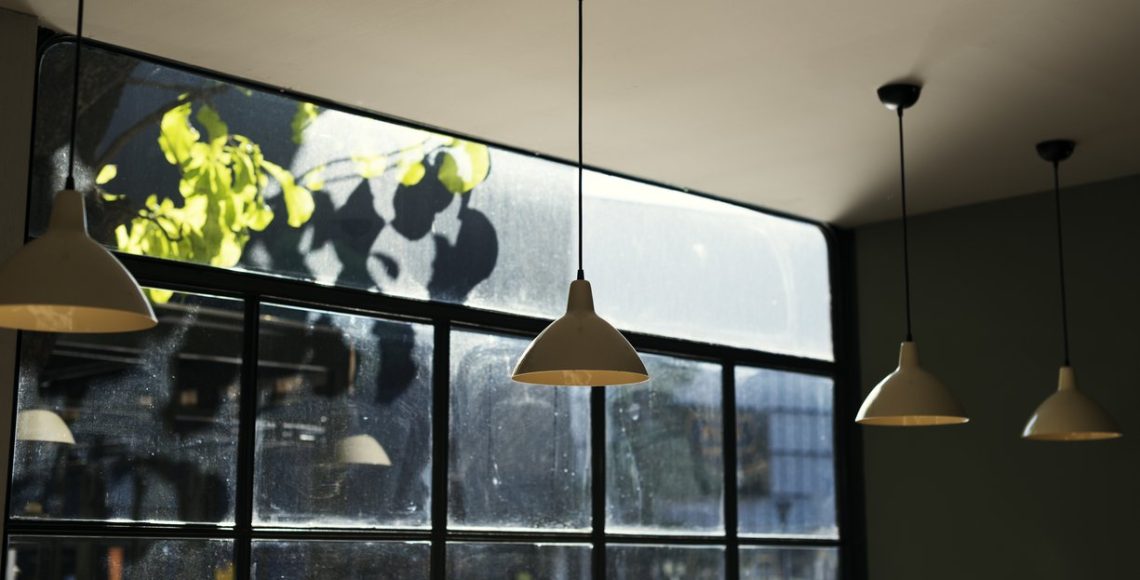
LED lighting is now the standard choice in UAE homes, and the available products differ widely. The main types are bulbs, panels, strip lights, spotlights and battens, each suited to general, accent or task lighting. The right choice depends on the room, ceiling height, fixture type, and required brightness. Villas with double-height spaces may need different fittings from standard apartment ceilings.
Colour temperature is equally important. Warm white, at around 3000K, suits living rooms and bedrooms, while cool white, at 4000K and above, gives clearer visibility in kitchens and study areas. Heat and humidity should also be considered when choosing products. LED light suppliers in the UAE can help you compare suitable options for different rooms and lighting needs. This guide covers each main type, where it works best, and what to check before purchase.
Why LED Is the Right Choice for UAE Homes
Air conditioning is used for much of the year in the UAE, so reducing indoor heat can help ease the load on your cooling system. LEDs produce less heat than halogen and incandescent bulbs. This keeps rooms cooler and eases the load on your AC. They also use up to 75 to 80 per cent less energy for the same brightness. A good LED is rated for 25,000 hours or more, so you replace bulbs far less often. In a home with 15 to 30 light points, lower electricity bills and fewer replacements add up over the years. Choose bulbs from a trusted brand and check the rated lifespan on the datasheet before you buy.
Different Types of LED Lights for Homes
LED lights come in different shapes and sizes to suit various needs around the home. Some light up an entire room, while others provide focused light over a countertop, highlight a painting, or illuminate a staircase. Understanding how each type works can help you choose the right lighting for each space.
LED Downlights
Downlights are recessed or surface-mounted fixtures that direct light downward. They suit the gypsum false ceilings common in UAE apartments and villas. Several smaller downlights spread across a room give more even light than one large central fixture. Mark the spacing on the ceiling drawing so the light covers the whole room.
Looking for premium LED downlights for your home? Explore CION Lighting, one of the trusted downlight suppliers in Dubai, offering a diverse range of LED downlights to enhance your interiors and create the perfect lighting ambience. Get in touch with us today!
LED Panel Lights
LED panel lights provide soft, even illumination across a wide area. Their flat design gives ceilings a neat, uncluttered look. They suit home offices, kitchens and study rooms. For reading or other close-up tasks, pair a panel light with a task lamp for extra light where needed.
LED Bulbs
Bulbs fit standard sockets such as E27, E14, and GU10. You can upgrade existing lamps without any rewiring. Check the cap type before you buy. They suit table lamps, floor lamps, and pendants.
LED Battens and Tubes
Battens and tubes give plain, bright, linear light. They are practical in garages, utility rooms, and storerooms. LED tubes use about half the wattage of old fluorescent tubes for the same output. That makes them an easy upgrade for spaces where the lights stay on for long hours.
LED Strip Lights
Strips are flexible lines of light. They can sit on cove ceilings, under kitchen cabinets, inside wardrobes, or behind a TV. They add a soft accent layer on top of the main lighting. Choose one with a suitable driver, and choose a dimmable one if you want control.
LED Spotlights and Track Lights
Spotlights send a narrow beam onto artwork, shelves, or a feature wall. Track and magnetic systems let you move or add heads later. Use them sparingly, as too many highlights can make a room feel busy. Need premium track lights in Dubai for your project? Visit CION’s store to find premium, versatile track lighting solutions that bring flexibility, precision and style to your interiors. Get in touch with our team to find the right fit!
Decorative LED Fixtures
Pendants, chandeliers, and wall lamps combine lighting with decorative appeal. Many come with built-in LEDs rather than replaceable bulbs. If the LED fails, you may need to replace the entire fixture, so check the warranty before buying.
Outdoor LED Floodlights
Floodlights light up façades, gardens, and driveways. UAE conditions bring dust, humidity, and irrigation spray. Choose an IP65 rating or higher to handle them. Check the rating on the datasheet before you buy.
Which LED Light Suits Which Room
Start with the activity in each room, then choose the fixture. A good scheme combines general light with task and accent light.
Living room: Downlights or panels for base light, with pendants or wall lamps for atmosphere.
Bedroom: Soft downlights and bedside lamps, with optional strip lighting.
Kitchen: Panels or downlights overhead, plus strips under the cabinets.
Bathroom: Moisture-rated downlights and brighter light near the mirror.
Home office: A panel for general light and a focused desk lamp.
Outdoor areas: Floodlights and wall lights rated IP65 or higher.
Colour temperature, measured in Kelvin, changes how a room feels. The right choice depends on what you do in the space.
2700K (warm white): Bedrooms and dining rooms.
3000K (soft warm white): Living rooms and hallways.
3500K to 4000K (neutral white): Kitchens, bathrooms, and study areas.
5000K and above: Usually too harsh for homes.
Keep one colour temperature within each room, so the light looks consistent.
Lumens vs Watts
Watts show how much electricity a light uses. Lumens show how bright it is. Compare lumens first, then check the wattage. A 60W incandescent bulb produces around 800 lumens, while an LED needs only about 9–10W to provide the same brightness. However, LEDs with the same wattage can still vary in light output, so check the lumen rating before buying.
CION – Your Trusted Partner for Advanced LED Lighting Solutions
The best home lighting rarely relies on one type of fixture. Downlights or panels set the base, strips and spotlights add accent, and decorative pieces finish the look. Start with how you use each room, then match the fixture, colour temperature, and brightness to it. In living rooms and bedrooms, warm white light feels relaxed, while kitchens and study areas do better with a neutral white.
At CION Lighting, we help homeowners, designers, and contractors choose lighting that fits each space and lasts.
Contact our team to discuss your project and find the right LED solution for your home!
A Dubai home usually has large windows and high ceilings, making it difficult to light with a single ceiling fitting. Daylight stays strong until sunset and then fades quickly, and a central light alone leaves dark corners and glare on shiny surfaces. The solution is to plan lighting room by room. Kitchens need bright, even light over the worktops. Bedrooms work well with soft, warm lighting that can be dimmed in the evening. Living rooms benefit from lights at different heights to suit daytime activities and create a relaxed atmosphere at night.
This guide covers each room, with advice on brightness, colour temperature and fitting placement. It also explains what to check before buying from a UAE lighting manufacturer, including local stock, lead times and technical support.
Start with the Three Layers of Light
No single fitting can serve every purpose in a room, so lighting designers plan in layers. The first layer is ambient lighting, which provides general illumination and usually comes from ceiling fittings, downlights or panels. The second is task lighting, positioned where an activity takes place. Desk lamps support working and reading, under-cabinet lights support cooking, and vanity lights support grooming. The third is accent lighting, which highlights artwork, textured walls, and architectural features, most often through spotlights, track lights, or wall washers. Planning all three layers before installation prevents a room that is bright but flat or one that has atmosphere but is impractical for daily use. Putting each lighting layer on a separate switch or dimmer makes it easier to adjust the lighting for different activities and times of day.
Choose the Right Colour Temperature
Colour temperature, measured in kelvins, plays an important role in setting the mood of a room. Warm white, between 2700K and 3000K, suits living rooms, bedrooms and other relaxing spaces, while neutral white, around 3500K to 4000K, works well in dining areas and bathrooms. Cool white, from 5000K upwards, suits kitchens and workspaces where visibility matters most.
Keeping one colour temperature across connected spaces helps the home look cohesive, and dimmable fittings let a single room serve different moods. When comparing products, check that the technical data supplied by lighting manufacturers in the UAE states colour temperature, lumen output, and colour rendering so that the finished result matches the plan.
A Lighting Guide for Every Room
Each room serves a different purpose, so its lighting should suit its specific needs rather than follow the same approach throughout the home. The sections below cover the living room, bedroom, kitchen, dining room, bathroom and home office, with attention to brightness, colour temperature and fitting type. Together, these examples show how to use the three layers of light in rooms where most daily activities take place.
Living Room
The living room serves several purposes, so its lighting must be flexible. Fitting recessed downlights can provide general light, with floor lamps for reading and wall lights for atmosphere. Warm white tones create a welcoming evening setting, and a dimmer allows the room to suit family time, entertaining, or a film. A double-height room may suit a chandelier.
Bedroom
Bedroom lighting should be soft and glare-free to create a relaxing atmosphere. Warm white ceiling lights at moderate brightness work well, with bedside lamps or wall lights for reading without using the main light. Avoid cool white fittings, as their harsher light can feel stimulating before sleep. Strip lighting behind the headboard provides a soft, gentle glow.
Kitchen
Kitchens require bright, even light for safe food preparation. Recessed downlights or panels provide general lighting, while under-cabinet lights reduce shadows on worktops. Neutral to cool white light helps with visibility of colour and detail. Where the kitchen has an island, pendants above it provide task lighting and also act as a decorative feature.
Dining Room
Dining room lighting should flatter both the table and the people around it. A pendant or chandelier centred over the table is the usual choice, hung about 75 to 90 centimetres above the surface to light the table without blocking sightlines. Warm white light with a dimmer creates a relaxed evening setting, and accent lighting on a sideboard adds depth.
Bathroom
Bathrooms need clear, glare-free lighting, with fittings designed to withstand damp conditions. Lighting placed on both sides of the mirror, or around it, avoids shadows on the face during grooming. Choose fixtures with a moisture rating suited to their location, especially near showers and baths. Neutral white light helps show skin tones accurately.
Home Office
A home office needs even light without shadows to reduce eye strain over long working hours. Ceiling panels or downlights provide the general layer, supported by an adjustable desk lamp for focused tasks. Position the desk to minimise light reflecting off the screen. Neutral to cool white light supports concentration and keeps the workspace comfortable throughout the day.
Poor lighting choices can affect both the appearance and functionality of a room. Understanding common mistakes before selecting fixtures can help you choose lighting that suits each space.
Relying on One Ceiling Light: A single fitting creates flat illumination and harsh shadows. Layering ambient, task and accent lighting provides depth to the room and suits a range of activities.
Ignoring Task Lighting: Cooking, reading and working need focused light at the point of use. Without it, ceiling fittings cast shadows over worktops and desks and strain the eyes.
Mixing Colour Temperatures: Combining warm and cool white in one space makes the room look uneven. Keep fittings within a single temperature range and change them only between rooms.
Choosing Fittings of the Wrong Scale: An oversized chandelier overwhelms a small room, while a small pendant disappears in a large one. Match the fitting to the room and its furniture.
Leaving Out Dimmers: A fixed brightness cannot suit every hour of the day. Dimmers let one room shift from bright daytime use to a softer evening setting.
Why Homeowners Trust CION Lighting for Lighting Solutions in Dubai
Choosing the right lighting is a long-term investment. CION Lighting designs its luminaires in Italy and manufactures them at our SAIF Zone facility in Sharjah, focusing on quality and durability. An automated assembly line produces 900 to 1,000 luminaires a day, with every product undergoing in-house performance testing. Each luminaire has a die-cast aluminium housing and is certified to international standards, which supports safety and durability in everyday use. Because production and stock are in the UAE, lead times are shorter, which helps projects stay on schedule. Lighting is a long-term purchase, and products built for lasting performance reduce the need for early replacement.
From initial concept through to commissioning, CION’s design team works with homeowners and designers, providing expert guidance on layout, beam angles and colour temperature. Whether you are building a new home, renovating, or updating a single room, CION Lighting is ready to support your project. Contact CION Lighting today to discuss your requirements.
Lighting plays an important role in warehouse and industrial facility performance, affecting worker safety, productivity, and long-term operating costs. Across Dubai’s growing logistics and industrial areas, including Jebel Ali and Dubai Investment Park, facilities need lighting systems designed for high ceilings, large floor areas, and continuous operation. Choosing the right solution requires evaluating lux requirements, fixture types, environmental conditions, and layout design.
This guide covers why lighting matters, the fixtures that work best, and how to plan a system suited to your facility.
Why Proper Lighting Matters in Warehouses and Industrial Facilities
The first consideration for proper lighting is worker safety; forklift operators and floor workers must have clear visibility to prevent collisions in aisles and loading areas. Well-lit pick zones also support faster, more accurate sorting, and inventory is generally easier to check at a glance when brightness stays consistent rather than leaving racking in shadow.
Errors tend to cluster in the darkest corners of a facility, so mislabelling stock and missed damage often trace back to a lighting gap. Facilities running two or three shifts feel it in the energy bill too, since older fixtures left on 16 to 24 hours a day add up fast, and suitable illumination levels are required for different warehouse activities.
Looking for LED lights and underwater lighting solutions across the UAE and GCC? CION Lighting is your trusted partner, offering a wide range of LED lighting products and professional lighting consultancy services for retail and commercial spaces. Visit your nearest CION Lighting store to explore our products and discover the right lighting solutions for your needs.
Key Challenges of Lighting Large Industrial Spaces
Lighting a warehouse is a different problem from lighting an office or a retail floor, largely because of the scale involved, the conditions on site, and the fact that the lights rarely switch off.
Ceiling heights in most warehouses go well beyond what a standard fixture was designed for, so mounting height becomes a real constraint from the start.
Floor plans stretch across thousands of square metres, and racking rows interrupts the light before it can spread evenly across the space.
Loading docks and storage zones carry dust and humidity that steadily wear down fixtures never built to handle them.
Operating around the clock puts continuous strain on components designed with regular downtime in mind, not constant use.
Getting brightness right across aisles, mezzanines, and open floor areas gets harder when all three are pulling light from the same source.
Best Indoor Lighting Solutions for Warehouses
The best indoor lighting solutions for warehouses consist of four fixture types: high bay LEDs, tri-proof lights, panel lights, and linear suspended systems. Each one is built for a different zone inside the facility, from tall storage racks to offices, cold storage, and long aisles.
High Bay LED Lights
High bay fixtures handle ceilings above 6 metres, throwing light onto storage racks and open floor areas without losing intensity over distance. They offer a more efficient alternative to conventional metal halide and HID lamps, have a longer life, and offer greater control of light distribution. Aisles between high racking are ideal, as the beam angle can be adjusted to suit forklift and picker working practices.
LED Tri-Proof Lights
Tri-proof fixtures resist dust, moisture, and impact, making them the right fit for loading docks exposed to weather. Cold storage areas rely on them too, since the sealed housing keeps performance steady through low temperatures and condensation, and harsh washdown zones need this protection more than a standard fixture offers.
LED Panel Lights
Panel lights suit warehouse offices, control rooms, and inspection areas where glare-free, even illumination matters more than raw output. Flat, low-profile panels fit into suspended ceilings without adding bulk, and inspection tasks benefit from the shadow-free spread they give.
Linear and Suspended Lighting
Linear suspended fixtures run along long aisles and racking systems, spreading light evenly across a continuous line rather than isolated pools. Mounted on cables or chains below the ceiling lights, they bring light closer to the working plane in taller spaces, and racking corridors benefit most since even distribution removes the dark gaps pool-style fixtures leave behind.
How to Choose the Right Lighting for Your Facility
The right lighting for your facility depends on five factors working together: ceiling height, facility type, brightness requirements, environmental conditions, and operating hours.
Ceiling Height: Mounting height sets the tone for both output and beam angle. A fixture built for a 4-metre ceiling will underperform at 10 metres, just as one designed for greater heights ends up wasting energy in a lower space.
Facility Type: A dry warehouse, a cold storage unit, and a manufacturing floor each place different demands on a fixture, from resistance to moisture to how well it holds up under temperature extremes.
Brightness Requirements (Lux Levels): Storage zones, picking areas, and inspection stations rarely need the same amount of light. Fine detail work calls for a higher lux target than general storage ever will.
Environmental Conditions: Where dust, moisture, or temperature swings are part of daily operations, fixture selection should be guided by that exposure rather than treated as an afterthought.
Operating Hours: A facility running 24/7 needs fixtures built for continuous duty. Nonstop operation asks more of every component than a standard shift pattern ever would.
Energy-Efficient and Smart Warehouse Lighting
LED lighting uses significantly less power than metal halide or fluorescent alternatives while lasting longer, lowering both your energy bill and replacement schedule.
Motion sensors turn off aisles when no one is working in them, reducing consumption in the empty areas of a shift. Zone-based controls allow you to adjust brightness in various zones, including storage, picking, and office areas, and automation links these zones by controlling output according to occupancy and daylight.
Common Warehouse Lighting Mistakes to Avoid
The most common mistake is choosing fixtures based on appearance or price, without first checking whether their output and IP rating actually suit the space.
If a check on working height is skipped, often the light is not properly distributed throughout the floor.
Uneven spacing creates bright patches sitting right next to dark gaps along long aisles.
Picking the wrong IP rating cuts a fixture’s working life short in dusty or damp areas.
Overlooking maintenance access turns a simple fixture swap into a costly job once it’s mounted at height.
Why Choose CION Lighting for Industrial Projects in Dubai
We bring in-house engineering and Italian LED technology to industrial projects, supported by lighting calculations and layout planning based on your facility requirements rather than a standard approach.
Our work covers warehouses, distribution centres, and manufacturing facilities across the UAE and wider GCC, each with different ceiling heights, layouts, and operating conditions. As one of the established lighting companies in Dubai, we review your facility requirements before installation and recommend lighting solutions based on factors such as fixture type, mounting height, and operating hours.
A well-planned lighting system supports safer operations, better visibility, and long-term efficiency. Contact CION Lighting for a free industrial lighting consultation and discuss the right approach for your facility.
Most people only notice lighting when something goes wrong: glare on a screen, a dim corner in a shop, or an electricity bill that keeps climbing. In Dubai, where lights and cooling run for long hours, we see these problems often. Modern LED fixtures, smart controls, and thoughtful design address most of them. What suits you depends on how you use the space, how much light it needs, and the conditions your fixtures will face.
What Are Modern Lighting Innovations?
Modern lighting innovations bring together efficient LED technology, smart controls, and thoughtful fixture design to provide suitable illumination while reducing energy consumption. LED fixtures provide the efficient light source. Compatible dimming and sensor controls then adjust that light for you, lowering output when daylight is strong and switching lights off in areas nobody is using. Careful fixture selection and placement decide where the light falls, so you can see clearly and work comfortably without glare.
Why Does Modern Lighting Matter in Dubai?
Modern lighting matters in Dubai because buildings here use lights and cooling for long hours, so lower lighting power can reduce both electricity use and indoor heat gain. The actual reduction in cooling demand depends on the building’s design, air conditioning system, and lighting usage.
Energy and cooling: LEDs use less power than halogen bulbs and give off less heat. If your lights stay on for long hours, that lower heat output can also ease the load on your cooling system.
Sustainability goals: Dubai has set a long-term goal of working on cleaner energy through its Clean Energy Strategy 2050, and the Dubai Green Building Regulations require buildings to use energy more efficiently. Choosing efficient lighting is one of the easiest ways you can support both.
Climate conditions: The heat, dust, and humidity of Dubai create additional demands on the fixtures. Before you buy, verify the temperature rating, materials, and protection against dust and water for each product and make sure they are suitable for your site.
Common Lighting Problems and How Modern Solutions Fix Them
Most lighting problems start when the fixtures don’t match how you use the space. Modern LED lights and control systems solve this by letting you adjust brightness, colour, and timing to suit the task at hand. Four problems come up most often.
High energy bills: If your lights stay on for long hours, dimmable LED fixtures can bring your consumption down noticeably.
Glare and uneven light: Fixtures with controlled beam angles and shielding send the light onto the surface you’re working on, not into your eyes.
Poor colour quality: A higher CRI helps objects, finishes, and products appear closer to their natural colours under artificial lighting.
Frequent replacements: Quality LEDs with proper heat management outlast halogen and fluorescent lamps, so maintenance visits drop.
A site visit and a lux survey usually show which of these problems affects your space and how far the current lighting sits from the level you need.
Smart and Sustainable Lighting Solutions in Dubai
Smart and sustainable lighting pairs efficient LED fixtures with controls that switch, dim, or schedule light automatically, so power is used only where and when people need it. Four building blocks make this work.
Occupancy and daylight sensors
Occupancy sensors switch off lights in empty corridors, stockrooms, and parking areas. Daylight sensors dim fixtures near glazed facades and atriums, where Dubai’s strong sunlight already does part of the work.
Zoning and scheduling
Splitting a space into zones lets you set different levels for a sales floor, a back office, and a display window. Schedules then follow your opening hours.
Control protocols
Systems such as DALI support addressing, grouping, and dimming functions of compatible fixtures from one platform, making it easy to change lighting groups and settings later on. Physical layout adjustments may still require additional wiring.
Serviceable design
Inside every LED fixture, a driver supplies the right current to the LEDs, and it tends to wear out sooner than the LEDs themselves. When it is replaceable, you can swap it out and keep the luminaire, which saves you money and avoids waste.
Architectural lighting uses light to shape how a building looks and feels. Instead of simply filling a room with brightness, it brings out the structure, texture, and flow of the space, so you notice the design and not just the fixtures. In Dubai’s glass towers, malls, and hotels, it works in layers.
Ambient light from recessed, linear, or cove fixtures sets the base level.
Accent light from track or gimbal fixtures picks out artwork, products, and textured walls.
Wall washers spread even light across a surface, which makes walls and ceilings feel larger.
Facade and landscape fixtures need a suitable IP rating for dust and water ingress, plus corrosion-resistant materials and an operating temperature range that suits the site.
Plan these layers together, because accent light only stands out when the ambient base sits at a lower level. Color temperature finishes the effect. Warm white, around 2700K to 3000K, suits hotels and restaurants, while neutral white, around 4000K, suits offices and workspaces.
How to Choose the Right Lighting for Your Space
Choose lighting according to the purpose of the space and the tasks performed there. Consider the required brightness, color accuracy, suitable fixture types, placement, and control options to achieve the right balance of function and comfort. Working in this order avoids buying fixtures first and fixing problems afterwards. Five checks cover most projects.
Purpose: A showroom needs strong accent light, while an office needs even, low-glare light.
Light level: Ask lighting companies in Dubai for lux calculations and photometric data, not a wattage figure, because watts measure power and not the light reaching the floor.
Color quality: Choose a CRI of 80 or above for everyday spaces. If colors need to look accurate, such as in a showroom or a design studio, go for 90 or above.
Environment: For outdoor areas, kitchens, and plant rooms, check the IP rating and the operating temperature range to make sure the fixture can handle the conditions.
Controls: Before ordering, confirm that your dimming system is compatible with the fixture’s driver to support smooth dimming and help prevent flickering.
Why Choose CION Lighting for Your Lighting Project in Dubai
At CION Lighting, we engineer our luminaires in-house using Italian LED technology. Most of our work is for retail, commercial, hospitality, and industrial spaces across the UAE and wider GCC, and we stay involved from the first lighting calculation through layout planning, fixture selection, and technical guidance on site.
When comparing lighting companies in Dubai, look for a team that considers your floor plan, ceiling height, and functional requirements before recommending fixtures. At CION Lighting, we review these factors with you to help select lighting that suits your layout, design, and intended use.
Planning a new development or upgrading an existing one? Contact CION Lighting to talk through your project and book a lighting consultation.
Playing at an online casino from a phone is no longer a fallback for when a laptop is unavailable. For many players it is the main route in, whether that means opening a few slots during a commute, checking a promotion in the evening, or making a quick withdrawal after a longer session. We tested the mobile side of several casino-style platforms across different screen sizes and connections, with a fairly simple question in mind: what actually feels designed for a phone, and what merely survives on one?
We used WinSpirit casino as one of the reference points while comparing registration flow, lobby navigation, game loading, cashier steps, and account tools. Our shared impression was that mobile quality is rarely decided by one flashy feature. It comes down to dozens of small decisions. Is the search field easy to reach? Does a slot remember sound settings? Can players read bonus terms without pinching the screen? Those details either build trust or gradually wear it down.
There is also a slightly awkward reality here. A phone is ideal for short casino sessions, but it is not always ideal for casino information. It handles a simple spin well. It is less happy when players need to compare payment limits, understand wagering rules, check identity verification status, or contact support while a chat box covers half the display. Adaptive layouts are supposed to solve that tension. Sometimes they do. Sometimes they just move the same desktop problems into a narrower column.
Our basic takeaway: a mobile casino does not need to copy every desktop element. It needs to keep the player’s next action obvious, readable, and stable.
What we checked on real phone sessions
We approached the testing as a small editorial group rather than as power users trying to force every possible edge case. That mattered. We wanted to see how a normal player would move through the site with one hand, partial attention, and perhaps an unreliable connection. We tried newer large-screen phones, a compact phone, portrait and landscape orientation, Wi-Fi and mobile data. We also returned to a few screens after leaving the browser for a while, because that is where a surprising number of weak mobile builds start to show.
Our test path was not perfectly scientific, but it was practical. We opened casino pages from search results and direct links, created or reviewed accounts, browsed categories, launched slot and table games, checked promotions, entered the cashier area, and read responsible gambling options. We did not judge a site only by speed. A fast page that makes players guess what they are agreeing to is still a poor page.
First access: landing-page clarity, cookie prompts, age confirmation, login placement, and whether the initial interface fitted the screen without a horizontal scroll.
Casino browsing: game tiles, category filters, live casino entry points, search results, favourites, and the usefulness of provider labels.
Play flow: game launch time, touch targets, orientation changes, sound controls, balance visibility, and return-to-lobby behavior.
Account tasks: deposits, withdrawals, bonus activation, document upload, limits, help pages, and chat support.
What stood out first was how different “mobile-friendly” can mean in practice. One platform may have large buttons and a clean home screen, yet make the cashier difficult to understand. Another can have an excellent search tool but a cluttered game page. We found that an adaptive layout is not a badge a casino earns once. It needs to work through the entire player journey, including the dull parts that marketing screenshots usually avoid.
Adaptive layouts, where they help and where they only look modern
An adaptive casino layout changes its arrangement according to screen width, orientation, and sometimes device capabilities. In simple terms, it should not just shrink desktop content. It should rethink the order of information. On a phone, navigation often needs to sit lower on the screen, filters may need to collapse into a clear drawer, and promotional artwork needs to make room for useful actions instead of pushing them down.
We liked layouts that made a clear distinction between discovery and action. The home page could be visually busy, within reason, but once we opened a game category or payment page, the layout became quieter. That felt deliberate. A mobile player does not need five banners competing with the deposit button or the search field. We noticed that the better pages often used blank space more confidently. It may seem minor, but spacing prevents accidental taps and makes the casino feel less hurried.
The thumb zone is more important than it sounds
When using a phone one-handed, the easiest area to reach is usually the lower half of the display. Some casinos get this right with bottom navigation for Home, Games, Promotions, and Profile. Others leave key controls at the top and fill the lower part with repeated banner art. It is not unusable, exactly, but it is tiring after a few minutes.
Our preference was for a bottom menu that remained consistent without becoming too crowded. Four or five entries are usually enough. When there are seven tiny icons, the navigation begins to resemble a control panel rather than a player tool. The icon should also have a text label. We saw a few symbols that made sense only after tapping them, and that is a needless interruption.
A useful mobile rule: if a player must stretch, zoom, or rotate the phone to complete a standard casino task, the layout has probably missed the point.
Responsive banners are not always helpful
Casino promotions are difficult to adapt well because banners are designed to attract attention. On mobile, though, they can quickly take over. During testing, we saw large welcome offers that looked polished but delayed the actual lobby by several swipes. The issue was not the promotion itself. Most players expect one. The problem was the lack of control over it.
Better examples used smaller cards, clear expiration dates, and a visible “details” action. Worse examples relied on text layered over animated graphics, with terms in pale type against bright backgrounds. That is technically responsive, perhaps, but not comfortably readable. We would rather see a plain promotion card with honest information than a dramatic visual that makes the offer harder to assess.
Games, touch controls, and the small interruptions that matter
A game lobby has a different job from a game screen. The lobby should help players find something suitable without making them browse forever. The game screen should get out of the way. We found that casinos often handle one of these jobs well and the other less well.
For lobby browsing, tile size was a constant trade-off. Large game tiles look good and are easy to tap, but they slow discovery because fewer titles fit on screen. Small tiles make selection faster, although titles and jackpot labels can become difficult to read. The most balanced layouts gave us medium-sized tiles, a persistent search field, and filters that did not reset every time we opened a game and came back.
Search deserves more credit than it usually gets. When players know the slot, provider, or table variant they want, a search bar is faster than any carefully arranged category page. We appreciated search systems that recognized partial names and common spelling variations. We were less convinced by searches that returned a wall of almost identical titles without showing the provider, game type, or demo availability.
Mobile feature
What worked in our tests
What commonly broke
Game search
Sticky field, useful suggestions, provider names
Keyboard hid results or search reset on return
Slot controls
Large spin button, clear bet display, simple menus
Tiny autoplay controls and crowded settings panels
Live casino
Stable stream, readable seating and betting controls
Video obscured by chat, lags during table changes
Game return
Lobby retained filters and scroll position
Player returned to the homepage every time
Slots are usually easier than live tables
Slots translate to mobile rather naturally. They already use a focused visual area, a limited number of controls, and short action loops. Still, we saw awkward examples, especially games with oversized side menus or bonus instructions that opened in a small scroll box. A player should be able to check the paytable, adjust sound, and view settings without hunting through layers of icons.
Live casino games are more demanding. Video quality, dealer interaction, betting timers, chat, and tables with many betting positions compete for limited space. On a modern phone, roulette and blackjack can work very well, but only if the interface scales intelligently. We found that landscape mode sometimes improved the visual experience while making the betting panel harder to reach. There is no flawless answer, and perhaps that is why the strongest live casino apps let players choose a layout rather than forcing one.
One detail worth mentioning is the tooltip. On desktop, these short explanations can be helpful. On mobile, hover does not exist in the same way. Casinos should use tap-friendly labels or a clear information icon instead. We encountered a few unexplained symbols in game menus, and they were more confusing than helpful.
Deposits, withdrawals, and account steps on a small screen
Mobile payment pages are where trust is tested. A player may forgive a slightly slow game thumbnail. They are less likely to forgive unclear deposit limits, missing withdrawal information, or a form that erases details after a small mistake. We checked these pages closely because payment tasks are often performed quickly, sometimes with a card or banking app open at the same time.
The better cashier layouts led with the essentials: deposit and withdrawal tabs, supported methods, minimum and maximum amounts, expected processing times, and a visible route to help. They did not hide important conditions behind a separate page. We also preferred when the selected payment option clearly remained highlighted. On a narrow screen, it is surprisingly easy to lose track of which method is active.
Keep forms short. If information is already stored in the account, do not request it again without a good reason. A long mobile form feels much longer than the same form on desktop.
Explain errors beside the field. Generic red messages at the top of the page are easy to miss after the keyboard pushes the page downward.
Show the full cost and timing. Players should see fees, limits, confirmation steps, and estimated withdrawal timing before they confirm the request.
Make verification upload forgiving. Camera upload, gallery selection, and document-status messages need to work cleanly, even after a browser interruption.
Registration deserves the same care. We saw mobile sign-up pages that split basic details across several manageable screens, which felt calm and clear. We also saw single-page forms with many fields, tiny checkboxes, and legal text that required several scrolls. There is a case for collecting necessary compliance information, of course. But the order matters. Asking for too much too early can make a legitimate casino appear less transparent, even when it is simply following verification rules.
Bonus activation is another pressure point. Players should be able to tell whether a welcome offer is selected, whether a promo code is required, and whether the bonus affects withdrawal conditions. On mobile, hidden terms create more frustration than on desktop because reviewing them takes more effort. We think bonus clarity is part of mobile optimization, not merely a legal requirement placed at the bottom of a page.
What breaks when the screen gets smaller
The most common failure was not a dramatic crash. It was loss of context. We would open a game, return to the lobby, and find filters reset. Or we would start a withdrawal, open a banking app for a confirmation code, come back, and discover the casino session had timed out. These moments are not spectacular, but they interrupt confidence. On mobile, users switch apps often. A gambling platform has to expect that.
Pop-ups also caused trouble. Cookie notices, bonus messages, app-install banners, chat widgets, and responsible gambling reminders can all be justified individually. Together, they can make the first minute on a site feel like closing windows rather than playing. We do not think every notice should disappear. That would be unrealistic and, in some cases, inappropriate. The better approach is priority. One important message at a time is usually enough.
Where mobile casino pages most often fail: they ask for attention from several places at once, then make the player repair the consequences of an accidental tap.
Keyboard behavior can ruin a good form
It sounds almost too technical to mention, but the on-screen keyboard had a noticeable effect on our testing. In a well-built layout, the current field remains visible and the page scrolls naturally. In weaker versions, the keyboard covered the Continue button, hid the error notice, or trapped us on a section with no obvious way forward. That is especially frustrating during account verification, where players may already be dealing with document numbers and dates.
Similarly, numeric fields should call up a numeric keyboard where possible. It saves time and reduces errors. Some casinos did this neatly for deposit amounts and verification codes. Others used a standard text keyboard for everything, which is not fatal, just clumsy. Mobile optimization often lives in these unglamorous details.
Connection changes are a real-world test
We also tested what happened when Wi-Fi dropped or mobile data became slower. Slots generally recovered better than live games, which is expected. Still, the player needs a clear status message. A frozen reel without explanation can look like a lost wager. A live table that reconnects without confirming the last bet can create genuine uncertainty.
The strongest platforms gave short, plain updates such as “reconnecting” or “round in progress,” then restored the session cleanly. The weaker ones simply showed a blank area or sent us to the lobby. In gambling, uncertainty around a bet is more damaging than a brief delay. It is better to explain what is happening, even if the explanation is not especially elegant.
A more comfortable mobile experience is also a safer one
We came away with the view that usability and responsible gambling tools should not be treated as separate topics. If deposit limits, cool-off settings, transaction history, and self-exclusion options are hidden in a deep account menu, they are technically present but practically weakened. The same applies to reality checks and session reminders. On mobile, they need to be visible without being aggressive or confusing.
A good account area does not make safer-play tools feel like an afterthought. It groups them clearly, explains the consequences of changes, and confirms when a limit is active. We liked pages that showed current limits in a calm, readable way. We were less comfortable with layouts where support articles and promotional offers appeared alongside limit controls, because that mixes two very different kinds of decisions.
There is a fine line here. Too many interruptions can feel patronizing and encourage players to dismiss messages automatically. Too little information leaves people without useful controls. The better mobile casinos seem to understand that players need clear choices, not constant friction. That balance is harder than it looks.
Conclusion
Conclusion: after comparing mobile casino journeys as a group, we found that the best adaptive layouts are not necessarily the most animated or the most feature-packed. They are the ones that respect the limits of a phone. They keep navigation reachable, game controls readable, payments understandable, and account tools stable when a player leaves and returns. Slots tend to work well almost by default, while live casino tables, bonus pages, and cashiers need more careful design.
What works is consistency. A player should not have to relearn the casino after moving from the lobby to the cashier. What breaks is usually context, clutter, or weak handling of interruptions. A well-optimized phone experience feels almost quiet. It lets the player browse, decide, play, and manage their account without fighting the screen. That may not sound glamorous, but in our tests it was the difference that lasted.
FAQ
Is an app always better than a mobile casino website?
Not always. An app can offer smoother notifications, faster reopening, and sometimes better device integration. However, a well-built browser casino can be just as comfortable for slots, payments, and account management. We would judge the actual layout and stability rather than assuming an app is automatically superior.
Why do casino games look different on a phone?
Game studios often adjust button positions, menu density, and screen proportions for smaller displays. Some games simplify side panels or require landscape mode. The core game mechanics should remain the same, but information may be arranged differently so it can be read and tapped more easily.
What should players check before depositing on mobile?
We recommend checking the selected payment method, deposit limits, any fees, bonus selection, and the casino’s withdrawal terms. It is also sensible to confirm that the browser connection is secure and to use personal devices rather than public phones or unsecured networks.
Can adaptive layouts help with responsible gambling tools?
Yes. When limits, history, time reminders, and support options are easy to locate on a phone, players are more likely to use them. A responsive design should make these controls accessible, not hide them behind several menus.
Reviews
Editorial note, lobby testing: We found that the clearest mobile lobbies did not try to show everything at once. Search, categories, and recently played games were more useful than a long stack of promotional banners.
Editorial note, cashier testing: The strongest payment screens made limits and processing information visible before confirmation. This reduced uncertainty and made the whole mobile flow feel more credible.
Editorial note, overall experience: Our shared view is that mobile casino design succeeds when it feels uncomplicated rather than merely compact. A phone screen has less room, but it does not need to create less clarity.
A casino brand promise can sound like a polished marketing phrase until a player actually has to deposit, find a game, or ask a basic support question. Roospin Casino felt more practical than that to me. The central impression was simple: the platform appears to be trying to make online casino play feel direct, visually clean, and easy to navigate without burying every useful feature under several menus. I noticed this within the first few minutes, particularly when I was moving between the lobby and the promotions area with a cup of tea going cold beside my laptop.
For me, the brand promise is not about claiming that every session will be exciting or profitable, because gambling plainly does not work that way. It is more about offering a place where the important information can be found, the game selection feels broad enough, and the path from registration to playing does not become irritating. That sounds modest, perhaps, but modest promises are usually easier to trust.
Why Players May Pick Roospin
I think people tend to choose a casino for a mixture of rational and slightly emotional reasons. A familiar-looking lobby matters. So does the sense that there are plenty of games available without the site becoming a chaotic wall of flashing banners. Roospin seemed to aim for that middle ground. I could browse slot categories quickly, then return to the main screen without having to mentally retrace my steps.
The platform also gives the impression of being designed for players who want options. Slots are naturally the main attraction for many visitors, but table games, live casino sections, and promotional offers contribute to the feeling that there is something to explore after the first visit. I would not say every player needs a huge catalogue, yet variety can be reassuring when a few games simply do not suit your mood.
These were the practical reasons that stood out during my own browsing session:
Clear game discovery: categories and search functions reduce the time spent scrolling through titles that are irrelevant to me.
Mobile-friendly access: the layout remained understandable on a smaller screen, which matters when I only have ten minutes to spare.
Visible promotional structure: bonus pages are easier to assess when terms are not treated as an afterthought.
Familiar casino rhythm: registration, deposits, games, and account controls follow a pattern most regular online players already understand.
None of this removes the need for personal judgment. A smooth website is not automatically a reason to deposit. Still, it can explain why a player stays long enough to investigate the details instead of closing the tab after thirty seconds.
Trust Signals I Looked For
Trust in an online casino is built in small increments. I do not rely on one badge, one welcome offer, or one enthusiastic review. I look for whether the site explains itself sensibly, whether account pages are easy to reach, and whether responsible gambling information is treated as part of the service rather than hidden in tiny text. Roospin gave me enough visible cues to continue checking, rather than immediately feeling suspicious.
A useful indicator is clarity around account verification. It can be inconvenient when a casino asks for documents, especially if a withdrawal is pending, but verification is also a normal part of regulated online gambling. In my view, a platform that acknowledges this process openly is more credible than one that pretends it will never happen. The same applies to payment limits, bonus rules, and withdrawal timing.
Trust indicators worth checking before depositing
Indicator
Why it matters to me
What I would check
Terms and conditions
They explain the rules behind offers and withdrawals.
Wagering requirements, expiry dates, and restricted games.
Responsible gaming tools
They support limits when play stops feeling casual.
Deposit limits, time-outs, and self-exclusion information.
Payment information
Money handling should not be vague.
Supported methods, limits, and stated processing times.
I also paid attention to the language used around wins. A trustworthy gambling platform should never imply that a result is guaranteed. Casino games involve chance, and that fact should remain obvious even when the lobby is colorful and the jackpots look tempting. The term RNG is often mentioned in casino discussions, but I still prefer to read the actual game information and provider details rather than accepting a label at face value.
Payments, Bonuses, and Everyday Experience
Payments are where trust becomes real. A casino can have an attractive design, but players eventually want to know how deposits work, what verification is needed, and whether withdrawals are explained in plain language. I appreciated that the account journey appeared structured rather than mysterious. Naturally, I would still recommend checking the current cashier page before using any method, since options and limits can change.
When I consider a casino bonus, I follow a fairly ordinary routine:
I read the wagering requirement before I accept anything, not after a balance has been locked into bonus play.
I check the maximum bet rule, because breaking it can affect bonus eligibility.
I look at the list of eligible games, especially if I prefer slots over other casino categories.
I decide whether the offer fits my budget, then I set a limit and stick to it.
That last point is not glamorous, but it is probably the most useful. A bonus should be a feature, not a reason to spend beyond a planned amount. Roospin’s appeal, from my perspective, is that it appears to present the usual casino ingredients in a way that feels accessible. I did not feel as if I had to decode every page. There can still be terms to read, of course, and there should be.
My quick player experience snapshot
Area
My impression
Why it influences trust
Lobby navigation
Straightforward and not overly crowded.
I can find games without impulsive clicking.
Bonus visibility
Easy enough to locate, though I would always read details carefully.
Clear offers make comparisons more realistic.
Account controls
The expected settings appear within reach.
Players need access to limits and support information.
Conclusion
My conclusion is that Roospin Casino seems to stand for a relatively uncomplicated player experience: a broad casino lobby, recognizable account features, visible promotions, and an interface that does not feel needlessly difficult. That is why I can understand why people pick it. The trust indicators are not a substitute for reading terms or gambling responsibly, but the overall presentation gave me a calmer impression than platforms that rely only on loud promises. I would approach it with a budget, a clear limit, and a bit of patience, which is how I think any casino should be approached.
FAQ
Is Roospin Casino suitable for new players? I found the layout approachable, which may help a new player navigate the lobby. Still, a beginner should start slowly, review the rules, and avoid treating casino play as a source of income.
Should I accept the first bonus I see? Not automatically. I always compare the wagering conditions, eligible games, and expiry period before opting in. Sometimes a smaller offer with clearer conditions is the better choice.
What is the main trust check before depositing? For me, it is reading the current payment, verification, and withdrawal terms directly on the platform. Those details matter more than a flashy banner.
Reviews
My review: Roospin gave me the impression of a casino built around ease of use rather than unnecessary complication. I liked the accessible lobby and the generally clear route through the site, although I would still want to examine bonus terms in full before making a deposit.
Overall player takeaway: It may appeal most to players who value a neat casino experience, game variety, and visible account information. As always, play for entertainment only and only with money you can comfortably afford to lose.
Crash-Spiele bei Wonaco: Guide für schnelle Entscheidungen und Cashouts
Crash-Spiele wirken auf den ersten Blick fast zu schlicht für ein Online-Casino: Ein Multiplikator steigt, ein Button wartet, irgendwann endet die Runde abrupt. Gerade diese Reduktion sorgt jedoch dafür, dass viele Spieler nach wenigen Sekunden verstehen, worum es geht. Trotzdem zeigt sich schnell, dass hinter dem einfachen Ablauf eine überraschend nervöse Dynamik steckt. Ein kleiner Gewinn kann sich vernünftig anfühlen, bis der nächste Multiplikator weiterläuft und die Entscheidung plötzlich zu früh aussieht.
Auf Plattformen wie dem Wonaco casino treffen Nutzer bei Crash-Games auf kurze Runden, sichtbare Einsatzfelder und meist eine direkte Anzeige vergangener Ergebnisse. Neulinge bleiben oft zunächst bei niedrigen Beträgen, beobachten die Zahlen und versuchen Muster zu entdecken. Erfahrenere Nutzer reagieren häufig schneller, manchmal fast automatisch. Der Betreiber stellt dafür eine Oberfläche bereit, die Tempo und Übersicht verbinden soll, doch die eigentliche Spannung entsteht bei den Spielern selbst, genau in dem Augenblick, in dem ein Ausstieg möglich wäre.
Dieser Guide betrachtet, was Nutzer bei Crash-Spielen erleben, warum schnelle Cashouts so viel Aufmerksamkeit bekommen und weshalb der Eindruck einer kontrollierbaren Entscheidung gelegentlich täuschen kann. Denn das Spiel belohnt keine Geduld im klassischen Sinn, aber auch keine blinde Hast. Es konfrontiert die Teilnehmer einfach immer wieder mit derselben, unangenehm offenen Frage: jetzt auszahlen oder noch kurz warten?
Was bei Crash-Spielen tatsächlich passiert
Eine typische Crash-Runde beginnt mit einem kurzen Countdown. Spieler platzieren ihren Einsatz, manchmal sogar zwei Einsätze parallel mit unterschiedlichen automatischen Ausstiegswerten. Dann startet eine Animation, häufig in Form eines Flugobjekts, einer Kurve oder eines digitalen Zählers. Der Multiplikator beginnt bei 1,00x und steigt. Solange die Runde läuft, wächst der mögliche Gewinn.
Der entscheidende Punkt: Die Runde kann jederzeit crashen. Geschieht das vor dem Cashout, ist der Einsatz dieser Runde verloren. Wird vorher ausgezahlt, wird der Einsatz mit dem aktuell sichtbaren Multiplikator abgerechnet. Das klingt nüchtern, fühlt sich aber selten nüchtern an. Bei 1,20x wirkt ein Ausstieg vorsichtig. Bei 4,50x wirkt derselbe Ausstieg im Rückblick vielleicht klug, vielleicht ärgerlich, je nachdem, was danach auf dem Bildschirm passiert.
Einsatz festlegen: Vor dem Start wählen Nutzer ihren Betrag und gegebenenfalls einen automatischen Cashout-Multiplikator.
Rundenbeginn abwarten: Nach dem Countdown steigt der Multiplikator sichtbar an, oft begleitet von einer schnellen Animation.
Cashout auslösen: Spieler können manuell aussteigen oder den zuvor gesetzten Auto-Cashout nutzen.
Crash akzeptieren oder Gewinn sichern: Crasht die Runde vor dem Ausstieg, verfällt der Einsatz. Bei rechtzeitigem Cashout wird der Gewinn gutgeschrieben.
Die Resultate früherer Runden werden auf vielen Oberflächen in einer Historie angezeigt. Genau dort beginnt ein typisches Verhalten: Nutzer deuten kurze Reihen niedriger oder hoher Multiplikatoren als Hinweis auf das, was folgen könnte. Einige sprechen dann von einer „heißen Phase“, andere warten nach mehreren schnellen Abstürzen bewusst auf einen höheren Verlauf. Mathematisch sind vergangene Runden aber keine verlässliche Vorhersage für die nächste. Diese Einsicht ist bekannt, wird im Tempo der Live-Anzeige allerdings erstaunlich leicht verdrängt.
Bei fair überprüfbaren Systemen wird häufig von Provably Fair gesprochen. Dabei können Nutzer, je nach Spielanbieter, über technische Werte prüfen, ob Ergebnisse nachträglich manipulierbar wären. Für viele ist das ein Vertrauenssignal. Es ändert jedoch nichts daran, dass jede einzelne Runde ein Risiko enthält und ein scheinbar sicherer Multiplikator nie wirklich sicher ist.
Der Moment zwischen Risiko und Cashout
Bei Slots dreht sich vieles um Geduld, Freispiele und lange Spielphasen. Crash-Games komprimieren diese Erfahrung auf wenige Sekunden. Das macht sie für viele Nutzer so intensiv. Der Cursor schwebt über dem Cashout-Button, der Multiplikator springt von 1,80x auf 2,10x, und plötzlich sind zwei Gedanken gleichzeitig da: Der Gewinn sollte gesichert werden. Vielleicht geht aber noch mehr.
Spieler reagieren sehr unterschiedlich auf diesen Moment. Vorsichtige Nutzer setzen häufig Auto-Cashouts bei niedrigen Werten, etwa bei 1,30x oder 1,50x. Sie akzeptieren kleine Gewinne und möchten vermeiden, dass eine unerwartet frühe Crash-Runde den Einsatz verschluckt. Risikofreudigere Teilnehmer warten dagegen bewusst auf hohe Multiplikatoren. Einige geben offen zu, dass sie nicht wegen einer langfristigen Rechnung bleiben, sondern weil genau dieser kurze Nervenkitzel den Reiz ausmacht.
Der schnelle Cashout ist keine Garantie auf Gewinn, aber er kann die eigene Runde klarer begrenzen. Diese Abgrenzung ist wichtig. Ein früher Ausstieg reduziert die mögliche Auszahlung ebenso wie das Risiko innerhalb dieser Runde. Er macht aus einem Zufallsspiel keine kalkulierbare Einnahmequelle. Gerade Neulinge verwechseln einen erfolgreichen Abend manchmal mit einer funktionierenden Methode. Nach einigen Runden, die scheinbar gut laufen, fühlt sich der Ablauf intuitiv an. Dann kommt oft eine Runde, die den Eindruck abrupt korrigiert.
Spielerverhalten
Typischer Cashout
Was Nutzer daran mögen
Offenes Risiko
Defensiv
Niedriger Multiplikator
Kurze Runden, klare Grenze
Viele kleine Gewinne können durch Verluste aufgehoben werden
Ausgewogen
Mittlerer Multiplikator
Balance zwischen Tempo und möglicher Auszahlung
Der gewünschte Wert wird oft nicht erreicht
Offensiv
Hoher Multiplikator
Chance auf auffällige Einzelgewinne
Frühe Crashs führen häufig zu vollständigem Einsatzverlust
Ein weiterer Faktor ist die Geschwindigkeit der Bedienung. Bei stabiler Verbindung genügt meist ein Klick, um den Gewinn zu sichern. Dennoch können Nutzer unter Zeitdruck zögern, sich verklicken oder einfach einen Moment zu spät reagieren. Deshalb bevorzugen viele den automatischen Cashout. Andere lehnen ihn ab, weil sie sich gerade die manuelle Entscheidung wünschen. Rational ist die Automatik oft ruhiger, emotional kann der eigene Klick aber wesentlich spannender sein.
Warum Crash-Games so schnell beliebt wurden
Der Erfolg von Crash-Spielen hängt stark damit zusammen, dass sie ohne lange Erklärung funktionieren. Wer zum ersten Mal ein Casino besucht, versteht bei manchen Tischspielen Regeln, Sonderwetten und Quoten nicht sofort. Crash-Games kommunizieren dagegen alles sichtbar: Einsatz, Multiplikator, Cashout, Ende der Runde. Das senkt die Einstiegshürde deutlich, auch wenn es das Spiel nicht weniger riskant macht.
Hinzu kommt der soziale Eindruck. In vielen Varianten sehen Nutzer, wie andere Teilnehmer auszahlen, welche Beträge im Spiel sind oder welche Multiplikatoren gerade erreicht wurden. Selbst ohne direkten Chat entsteht ein Gefühl von gemeinsamer Beobachtung. Wenn eine Runde ungewöhnlich hoch steigt, bleibt sie im Gedächtnis. Wenn sie bei 1,01x endet, ist die Reaktion oft ebenso stark, nur deutlich frustrierter.
Viele Spieler mögen außerdem, dass keine lange Wartezeit entsteht. Eine Runde endet, die nächste beginnt bald darauf. Diese Frequenz passt zu mobilen Nutzern, die nur wenige Minuten Zeit haben oder zumindest glauben, nur wenige Minuten spielen zu wollen. Genau darin liegt aber eine gewisse Tücke. Aus fünf geplanten Runden werden leicht fünfzehn. Der Ablauf hat kaum natürliche Pausen, außer der Spieler setzt sie selbst.
Der Betreiber profitiert von dieser klaren, schnellen Spielmechanik ebenfalls. Crash-Games lassen sich prominent darstellen, funktionieren auf vielen Bildschirmgrößen und sprechen verschiedene Spielertypen an. Für Einsteiger sehen sie unkompliziert aus, für erfahrene Nutzer bieten sie durch Timing, parallele Einsätze und Auto-Cashout-Einstellungen genug Stellschrauben, um sich individuell anzufühlen. Ob diese Stellschrauben wirklich einen Vorteil schaffen, ist eine andere Frage. Meist schaffen sie vor allem ein Gefühl von Beteiligung.
Praktische Routinen für neue Spieler
Neue Nutzer tun gut daran, Crash-Spiele zunächst nicht als Wettbewerb gegen andere Spieler zu sehen. Die sichtbaren hohen Gewinne können beeindrucken, aber sie zeigen nie die ganze Geschichte. Hinter einem auffälligen Cashout stehen möglicherweise mehrere verlorene Einsätze, die in der Anzeige weniger präsent sind. Wer sich davon nicht sofort mitziehen lässt, bleibt meist ruhiger.
Eine vernünftige Routine beginnt vor der ersten Runde. Statt während des Spiels ständig die Beträge zu verändern, wählen viele erfahrene Nutzer ein kleines Unterhaltungsbudget und eine feste Dauer. Das klingt beinahe langweilig, ist bei einem Spiel mit sehr kurzen Intervallen aber erstaunlich hilfreich. Gerade weil sich Entscheidungen so unmittelbar anfühlen, braucht es vorher eine Grenze.
Ein Limit vor dem Start bestimmen: Nutzer legen fest, welcher Betrag für die Session maximal vorgesehen ist, ohne später nachzulegen.
Mit kleinen Einsätzen beobachten: Einige Test-Runden helfen dabei, Oberfläche, Auto-Cashout und Spieltempo kennenzulernen.
Eine Cashout-Regel wählen: Wer beispielsweise niedrig aussteigen möchte, sollte diese Entscheidung nicht nach jeder Runde spontan umwerfen.
Nach Verlusten pausieren: Der Versuch, einen gerade verlorenen Einsatz sofort zurückzuholen, führt oft zu höheren Risiken.
Bei Erreichen eines Zielwerts aufhören: Ein gesicherter Gewinn bleibt nur gesichert, wenn die Session tatsächlich endet.
Diese Punkte sind keine Gewinntaktik. Sie sind eher ein Schutz gegen impulsive Entscheidungen. Manche Spieler finden feste Regeln zu streng und möchten das Spiel bewusst spontan erleben. Das ist nachvollziehbar, solange der Einsatz als Unterhaltung betrachtet wird. Problematisch wird es erst, wenn jede verlorene Runde als persönlicher Fehler oder jede hohe Runde als verpasste Gelegenheit empfunden wird.
Auch der sogenannte Martingale-Gedanke taucht bei Crash-Games häufig auf: Nach einem Verlust soll der nächste Einsatz erhöht werden, um alles zurückzugewinnen. In der Praxis kann diese Idee schnell an Grenzen stoßen. Mehrere frühe Crashs hintereinander reichen aus, um Einsätze rasch anwachsen zu lassen. Nutzer, die das schon erlebt haben, beschreiben oft einen seltsamen Wechsel aus Entschlossenheit und Stress. Genau dann wäre eine Pause meist sinnvoller als der nächste höhere Betrag.
Einsätze, Zahlungswege und ein realistischer Blick auf Gewinne
Bevor Spieler Crash-Games nutzen, durchlaufen sie bei einem Online-Casino üblicherweise die Registrierung und gegebenenfalls eine Kontoverifizierung. Dabei werden persönliche Daten abgefragt, und je nach Anbieter stehen verschiedene Einzahlungswege zur Verfügung, etwa Karten, digitale Wallets oder Bankmethoden. Viele Nutzer achten weniger auf die Auswahl als auf die Geschwindigkeit. Bei Crash-Spielen passt ein langsamer Einzahlungsprozess einfach nicht zum Eindruck eines schnellen Produkts.
Bei Auszahlungen zeigt sich dann ein anderer Rhythmus. Ein im Spiel sichtbarer Gewinn ist zunächst ein Kontostand. Die tatsächliche Auszahlung kann abhängig von Verifizierung, Zahlungsweg und internen Prüfungen Zeit benötigen. Spieler reagieren darauf unterschiedlich. Einige rechnen mit Bearbeitungszeiten und lesen die Bedingungen vorher. Andere sind irritiert, wenn der Cashout im Spiel sofort passiert, die Auszahlung auf das eigene Zahlungsmittel aber nicht ebenso unmittelbar erfolgt.
Bonusse verdienen ebenfalls einen vorsichtigen Blick. Ein Willkommensbonus oder Freispiele können attraktiv aussehen, doch Crash-Games tragen nicht bei jedem Casino im gleichen Umfang zum Umsatz bei. Manche Angebote schließen bestimmte Live- oder Sofortspiele aus, andere rechnen sie nur teilweise an. Nutzer sollten Bonusbedingungen daher vor der Einzahlung lesen, nicht erst nach einem Gewinn. Das ist keine besonders aufregende Empfehlung, aber sie verhindert viele Missverständnisse.
Der realistische Blick bleibt entscheidend: Crash-Spiele sind Glücksspiele mit einem Hausvorteil. Ein hoher Multiplikator kann spektakulär sein, aber er ist kein Beweis dafür, dass hohe Multiplikatoren nun regelmäßig auftreten werden. Ebenso wenig bedeutet eine Reihe kurzer Runden, dass die nächste Runde „dran“ ist. Wer das akzeptiert, kann die Mechanik klarer einordnen und muss nicht jeder Anzeige eine Botschaft entnehmen.
Fazit
Crash-Spiele bei Online-Casinos ziehen Spieler an, weil sie sofort verständlich, schnell und emotional direkt sind. Der Cashout-Button macht jede Runde zu einer kleinen Entscheidung unter Druck. Einige Nutzer mögen den kontrollierten Ausstieg bei niedrigen Multiplikatoren, andere suchen bewusst die seltenen hohen Werte. Beides bleibt mit Risiko verbunden. Wer Einsätze begrenzt, Auto-Cashouts sinnvoll nutzt und sich nicht von vergangenen Runden leiten lässt, erlebt das Format meist ruhiger. Am Ende ist nicht der perfekte Zeitpunkt entscheidend, sondern die Fähigkeit, eine vorher gesetzte Grenze auch dann einzuhalten, wenn der Multiplikator gerade besonders verlockend aussieht.
FAQ
Was ist ein Crash-Spiel im Online-Casino? Ein Crash-Spiel ist ein schnelles Glücksspiel, bei dem ein Multiplikator steigt und Spieler ihren Einsatz vor einem zufälligen Absturz auszahlen müssen. Erfolgt der Cashout rechtzeitig, wird der Einsatz mit dem erreichten Multiplikator verrechnet.
Kann ein Auto-Cashout sinnvoll sein? Viele Nutzer verwenden einen Auto-Cashout, um nicht in letzter Sekunde zu zögern. Er begrenzt die Entscheidung auf einen zuvor gewählten Wert, garantiert aber selbstverständlich keinen Gewinn über mehrere Runden hinweg.
Lassen sich Crash-Runden anhand der Historie vorhersagen? Nein. Vergangene Multiplikatoren können interessant aussehen, liefern aber keine verlässliche Prognose für kommende Runden. Reihen von niedrigen oder hohen Ergebnissen sind kein Signal für einen bestimmten nächsten Verlauf.
Warum fühlen sich Crash-Games intensiver als manche Slots an? Bei Crash-Games treffen Spieler während der laufenden Runde selbst eine sichtbare Entscheidung. Diese unmittelbare Beteiligung, kombiniert mit dem kurzen Spieltempo, erzeugt oft mehr Spannung als ein automatischer Slot-Spin.
Welche Regel hilft Einsteigern am meisten? Ein festes Budget und ein klares Ende der Spielzeit helfen meist mehr als die Suche nach einem vermeintlich perfekten Multiplikator. Spieler, die Verluste nicht sofort ausgleichen wollen, behalten häufig eher die Kontrolle über ihre Session.
Think about how different a place can look once the sun goes down. The same hotel that feels bright and impressive during the day can take on a completely different character at night, simply because of the way it is lit. Lighting can bring out architectural details, make a garden feel more inviting, add warmth to a terrace, and give a pool area a completely different mood.
For hotels, good outdoor lighting can make a major difference come sunset. A guest’s experience starts from the moment they arrive, whether they are driving up to the entrance, walking through the garden, or heading to an outdoor restaurant. In a competitive hospitality market like the UAE, especially in Dubai and Abu Dhabi, these details can leave a lasting impression.
Good outdoor lighting is not about putting lights everywhere. It is about using the right lights in the right places to make a space look good, feel comfortable, and remain easy to navigate after dark. Let’s look at how hotels can make better use of their outdoor spaces with thoughtful lighting.
Why Outdoor Lighting Is Critical to Hotel Guest Experience
Outdoor lighting does more than simply illuminate a hotel’s exterior. The right lighting can shape the atmosphere, highlight key spaces, and make the overall guest experience more inviting. Here’s how:
First impressions: A clearly illuminated entrance and driveway can create a welcoming arrival sequence before guests enter the building.
Brand identity: The lighting style can reflect the hotel’s positioning. A luxury property may use carefully controlled architectural and landscape lighting, while a business hotel may prioritize clear, practical illumination.
Safety and comfort: Guests need adequate visibility when walking between entrances, parking areas, gardens, restaurants, and recreational spaces.
Social visibility: Distinctive facades, gardens, pools, and terraces can become memorable visual elements that guests photograph and share online.
The goal is not to make every part of the hotel property equally bright. It is to give each outdoor zone the right amount and type of illumination for its purpose.
Key Outdoor Zones Where Lighting Makes the Biggest Impact
Every outdoor area at the hotel has a different role, so the lighting approach needs to change from one space to another. From arrival points and building facades to gardens, pools, and dining areas, choosing the right fixture and placement can make each zone work better after dark.
Entrance and Drop-Off Areas
The entrance is one of the first exterior spaces guests experience. Wall lights, facade lighting, and bollards can define the arrival area, illuminate pedestrian routes, and give the entrance a clear visual focus. CION’s outdoor range includes bollard lights suited to entrances, driveways, pathways, and landscaped areas.
Facade and Architectural Lighting
Architectural lighting can bring a hotel’s design into view after dark. Wall washers and LED projector lights can highlight textures, structural forms, columns, signage, and other architectural features without illuminating the entire facade uniformly.
Gardens and Landscape Areas
Gardens can become evening destinations when lighting is placed carefully among trees, planting beds, and landscape features.
Spike lights: Directional illumination for trees, plants, sculptures, and architectural details.
Pennisetum lights: Decorative fixtures that add visual interest to gardens and walkways.
Bollards: Practical low-level lighting for landscaped paths and pedestrian areas.
Swimming Pools and Water Features
Pool decks and fountains need lighting that supports visibility while retaining a calm evening atmosphere. Underwater fixtures can be specified for suitable pools and water features, while surrounding architectural or landscape lighting can define the wider setting without creating excessive brightness.
Pathways and Walkways
Guests should be able to move comfortably between rooms, parking areas, restaurants, gardens, and recreational facilities after dark. Bollard and pathway lighting can provide visual guidance while reducing dark spots. The placement, height, and beam distribution matter as much as the fixture itself.
Outdoor Dining and Terrace Areas
Rooftops, terraces, and al fresco dining areas benefit from softer ambient illumination. Carefully positioned fixtures can define seating zones, highlight landscaping, and provide enough light for movement without competing with the dining atmosphere.
Choosing the Right Lighting Style for Your Hotel’s Brand
Lighting should support the character of the property rather than follow a single formula. Here’s what we usually recommend for our clients in hospitality:
Luxury hotels: Architectural accents, controlled facade lighting, warm ambient illumination, and carefully lit pools or landscape features can create a refined nighttime setting.
Boutique hotels: Decorative fixtures, warm lighting, and distinctive landscape elements can reinforce a more intimate identity.
Business hotels: Clear, practical illumination can take priority around entrances, parking, walkways, and circulation areas.
Resorts: Layered lighting across gardens, pools, pathways, terraces, and outdoor lounges can create several connected evening experiences.
The key consideration is consistency. Color temperature, brightness, and fixture design should feel intentional across connected areas.
Balancing Aesthetics with Functionality
Attractive outdoor lighting still needs to perform its practical role. Too much light can create glare and visual discomfort, while insufficient illumination can leave pathways and transitions difficult to navigate. A layered approach can help:
Ambient lighting provides general illumination.
Accent lighting draws attention to architecture, landscaping, or water features.
Task or functional lighting supports movement, dining, and other activities.
UAE conditions also make product selection important. Outdoor fixtures may face intense heat, dust, humidity, and occasional sand exposure. CION’s outdoor products include weather-resistant solutions designed for exterior applications in the UAE.
Energy Efficiency for Large-Scale Hotel Properties
Hotels can operate outdoor lighting across extensive areas for many hours each evening. LED lights can provide high-quality illumination with lower energy consumption than conventional lighting technologies, while long operating life can reduce replacement requirements.
For large properties, lighting controls can also help manage usage. Timers, sensors, and zone-based controls can switch or dim lighting according to occupancy, time, or location rather than keeping every fixture at full output throughout the night. CION also provides LED-based outdoor solutions for landscapes, pathways, parking areas, and building exteriors.
Create a Better Outdoor Guest Experience with CION Lighting
Outdoor lighting is not simply a decorative addition to a hotel. It influences how guests arrive, move through the property, use exterior spaces, and remember the setting after sunset. The right combination of architectural, landscape, and functional lighting can give each zone a clear purpose while maintaining a consistent hotel identity.
If you are planning a new hospitality project or upgrading an existing property, CION Lighting can help you select outdoor lighting solutions suited to your design and technical requirements.
Contact us at CION Lighting for a customized outdoor lighting consultation for your hospitality property today.
Vegashero Casino Winning Strategies: Slots and Poker Without the Myths
When we tested Vegashero Casino, we were not looking for a secret system that could somehow force games to pay out. Those systems are usually where gambling advice becomes less useful and, frankly, a little misleading. Instead, we wanted to see what practical strategy looks like in an online casino setting: choosing games with care, reading bonus conditions, controlling a bankroll, and knowing when a session has done enough.
Our shared impression was that the most useful “winning strategy” is not one dramatic trick. It is a collection of small decisions that make play calmer and more deliberate. This matters especially when moving between slots and poker, because they look similar from a distance, both involve stakes and potential prizes, yet they reward very different habits. Slots are mostly about probability and pacing. Poker adds decision-making, opponents, and emotional control. Treating both games in exactly the same way is an easy mistake.
A balanced approach does not promise a profit. It helps us manage entertainment spending, understand risk, and avoid turning a short losing run into an expensive chase.
What We Checked Before Playing
Before discussing game tactics, we looked at the ordinary parts of the Vegashero Casino experience. It is not the glamorous side of gambling, but it is where good habits start. Registration should be completed with accurate personal details, payment options should be checked before a deposit is made, and the terms attached to any promotion deserve a proper read. We found that many misunderstandings players describe as “bad luck” actually begin with a missed rule, such as a wagering requirement or a game contribution limit.
We also recommend separating the casino balance from money needed for bills, travel, food, or anything similarly non-negotiable. This is obvious advice, perhaps too obvious, but it changes the tone of a session. A deposit made from a defined entertainment budget feels different from a deposit made in the hope of recovering something already lost. The first can remain a leisure activity. The second often becomes emotionally loaded very quickly.
One detail worth understanding is RTP. It is useful, but it is not a prediction for tonight. A slot with a 96% RTP does not return exactly €96 after €100 of play, and it certainly does not guarantee a specific result after ten or one hundred spins. It is a long-term mathematical setting, not a personal refund schedule. We kept coming back to that distinction while testing, because it removes a lot of false expectations.
Casino games also have volatility, which is often more relevant to the mood of a session than RTP alone. Lower-volatility slots tend to produce smaller, more frequent outcomes. Higher-volatility titles can remain quiet for a while and then produce a larger feature or win, though there is no obligation for one to arrive. A player who dislikes long dry stretches may be better served by quieter games, even if the advertised top prize of another slot looks more exciting.
The first useful decision is made before the first spin or hand: decide what the session is for, how much it may cost, and what result will signal that it is time to stop.
Bankroll Rules That Survived Our Test
Bankroll management is sometimes presented as a way to beat the house. It is not. No stake pattern changes the house edge in slots, and no careful budget turns a weak poker decision into a strong one. What bankroll management does is protect us from making sudden, reactive choices. It stretches a planned session, makes results easier to review, and limits the damage when the expected losing patches arrive.
For our test sessions, we treated each deposit as a closed budget. Once allocated, it was not topped up mid-session. That single boundary was more useful than complicated formulas. A player can choose a weekly or monthly entertainment amount, then divide it into several sessions if that feels more comfortable. There is no ideal figure that applies to everyone. The relevant point is that the amount should be affordable to lose without trying to solve the loss later.
Why stake size matters more than most “systems”
We noticed that stake size determines how quickly variance becomes stressful. A €1 spin on a €50 balance gives a very different experience from a €0.20 spin on that same balance. Neither stake makes the slot more likely to pay in the short term, but the lower stake creates more room for normal fluctuations. In poker, a similar principle appears in buy-in choice. Joining a table whose stakes are too large for the available bankroll can make a player fearful, impatient, or far too attached to each pot.
Some players like a simple session rule, such as using a small fixed percentage of their designated balance per slot spin, then keeping that level stable rather than raising it after losses. We see the practical value in that. The exact percentage is less important than consistency. It prevents the familiar thought that one larger bet will “reset” the session. It will not, at least not reliably, and it can consume a balance faster than expected.
Our basic bankroll checklist
These were the habits that felt useful across both slots and poker. They are not exciting, but that may be why they work better than flashy advice.
Set a deposit limit before logging in, rather than after the balance has started moving.
Choose a session length and step away when it ends, whether the session is winning or losing.
Keep stakes level unless there is a planned reason to change them, not an emotional one.
Use casino deposit, loss, and time reminders where they are available.
Do not count a bonus balance as cash until its stated requirements have been met.
We would add a small caveat. A stop-win point can be useful for players who know they tend to give winnings back in a longer session, but it is not a mathematical requirement. Ending after reaching a chosen positive figure is really a behaviour tool. It creates a clear finish line. For some people, that is enough to keep casino play from becoming a vague, open-ended activity.
Slots: Sensible Choices and Common Myths
Slots at Vegashero Casino are easy to access and quick to understand on the surface. Pick a title, set a stake, press spin. Yet the speed is exactly why bankroll discipline matters here. A sequence of rapid spins can make the passage of money feel less noticeable, especially on mobile. During our review, we found it helpful to pause after a set number of spins or after a bonus round, rather than letting autoplay-like momentum take over the whole session.
The sensible slot strategy begins with game information. We looked at RTP where it was displayed, reviewed the paytable, checked whether bonus features were bought with a higher stake, and considered volatility. Theme was still part of the decision, of course. Gambling should not have to feel like homework. But choosing a game only because a recent winner was mentioned online is not much of a method.
Myth: a slot is due after a losing streak
This is probably the most persistent slot myth. If a game has produced many spins without a notable payout, it can feel overdue. The mind starts looking for balance. In a properly functioning random game, though, each spin is independent. Previous outcomes do not build a debt that the slot has to repay. A losing streak can end on the next spin, later, or not during that session at all. That uncertainty is part of the game.
We saw how easy it is to confuse “it could happen now” with “it should happen now.” The first statement is true for any spin. The second is not supported by how random outcomes work. For that reason, increasing stakes after a dry patch is one of the riskier reactions a player can make. It feels logical for a moment, then it can turn a manageable session into a short one.
Myth: hot and cold slots can be identified
Online discussions often describe games as hot, cold, tight, or ready to release a feature. We understand why this language survives, because people naturally notice patterns, especially after a vivid win or loss. But a few observed outcomes do not reveal a dependable cycle. Even a long history of spins would not let us predict the next result in the way these claims suggest.
There is a softer version of this idea that is harmless: a player may prefer to leave a slot that is no longer enjoyable. That is completely reasonable. We also left games that felt too volatile for the balance we had assigned. The key difference is honesty about the reason. Leaving because the experience is not working for the budget is sensible. Leaving because the slot is “about to pay somebody else” is not a strategy.
A slot choice can be informed by RTP, volatility, feature cost, and personal preference. It cannot be reliably improved by chasing patterns in recent spins.
We also compared standard spins with feature-buy options where those are offered. Buying a bonus can make a session more intense and more expensive in seconds. It may suit players who consciously want that experience and can afford the full cost, but it is not a shortcut to profit. The purchased feature is still governed by the game’s maths. For a limited balance, normal spins often provide more time to assess whether the game is genuinely enjoyable.
Poker: Strategy Matters, but Variance Remains
Poker sits apart from slots because players make decisions against other players, or in some formats against a defined game structure. That means strategy can influence long-term results. It does not mean every good decision wins a pot. During our comparisons, this was the biggest mental adjustment. A strong hand can lose. A questionable call can get rewarded. One evening of results may say very little about whether the underlying decisions were sound.
At Vegashero Casino, players should check which poker formats, stakes, tournament structures, or related card games are available at the time they play. The practical strategy changes with the format. Cash-game players may focus more on table selection and stack depth. Tournament players need to think about blind levels, payout pressure, and survival. Fast formats can be entertaining, but they leave less time to reflect, and reflection is a real advantage in poker.
The value of folding
For newer poker players, folding can feel passive. We saw this in the way a few test scenarios tempted us to continue simply because chips had already gone into the pot. That is the sunk-cost trap. Money already committed is no longer a reason to commit more. The relevant question is whether calling, raising, or folding is the best choice from this point onward.
A patient pre-flop approach is often more valuable than players expect. Starting with fewer, stronger hands can reduce difficult spots after the flop. It is not thrilling every minute, admittedly. But poker does not reward constant participation. The better approach may be to wait, observe how opponents size bets, and notice who calls too broadly or pressures too often. Those small observations can matter more than trying to create action at every table.
What bankroll means in poker
In poker, bankroll management includes choosing stakes where an ordinary losing run does not end the entire plan. Variance can be sharp even for capable players. A few lost all-ins, a cooler, or a missed draw can affect several sessions. We would not treat a poker balance as a guarantee of skill-based income, particularly for casual players. It remains gambling, and tournament entries or cash-game buy-ins should stay within a clear entertainment budget.
It also helps to avoid moving up in stakes immediately after a win. A good result can create a feeling of momentum, just as a loss can create a desire to prove something. Neither feeling necessarily improves decision-making. Staying at a comfortable level gave us a more realistic view of our play. The hands were easier to review, and individual pots felt less emotionally significant.
Bonuses, Payments, and Session Planning
A casino welcome offer can add value, but it should be treated as a product with conditions, not as free money in the everyday sense. We checked the usual areas first: wagering requirements, maximum bet rules while a bonus is active, expiry dates, game weighting, and whether certain games are excluded. Slots often contribute more towards wagering than poker or live games, although the exact rules can differ by promotion and should always be checked in the current terms.
Our practical view is mildly cautious. A bonus may suit a player who has time to meet the requirements with money already intended for entertainment. It may be less suitable for someone who wants a simple deposit, a short session, or a straightforward withdrawal path. Declining a bonus is not missing out if its conditions do not fit the way a person actually plans to play.
Payment methods deserve the same calm attention. Before depositing, we would check minimum and maximum transaction amounts, supported currencies, verification expectations, and the casino’s withdrawal process. Keeping account details accurate from registration onwards can make the later stages less awkward. It is not a winning strategy in the narrow game sense, but it is part of a smoother player experience.
The following comparison reflects the kind of planning we found most realistic. It is not a forecast of returns, and it is not a promise that one game type is safer than another. It simply shows why different games call for different habits.
Area
Slots approach
Poker approach
Main influence
Stake control and game selection
Decision quality, position, opponent observation
Useful preparation
Read RTP, volatility, and feature rules
Choose suitable stakes and understand the format
Common mistake
Chasing a “due” bonus round
Playing too many hands or stakes that feel intimidating
Best stopping cue
Budget or planned time reached
Fatigue, tilt, budget limit, or loss of focus
A Balanced Routine for Slots and Poker
After testing the two game types side by side, we found that balance was less about splitting money equally and more about matching expectations to the game. Slots can work as short entertainment sessions when the stake and duration are settled in advance. Poker can offer more room for study and choice, but it asks more concentration and can become frustrating when results disagree with the quality of play.
There is no need to force both into one session. In fact, moving from a frustrating poker table straight into high-volatility slots can be a poor emotional sequence. The reverse can also happen, where someone tries to “think their way back” through poker after slot losses. We would keep them separate where possible. A reset, a walk away from the screen, or simply ending the casino visit can be the more sensible option.
Our preferred routine was simple enough to remember without notes:
Decide in advance whether the session is for slots, poker, or a limited mix of both.
Allocate separate amounts for each activity instead of treating one wallet as endlessly flexible.
Check the game rules before staking, especially bonus rules and poker blind structures.
Take a pause after a notable win, a difficult loss, or a burst of frustration.
Review the session by asking whether the plan was followed, not only whether it ended in profit.
That final point is easy to overlook. A winning session can involve poor discipline, and a losing session can still be responsibly managed. If we deposited a set amount, stuck to modest stakes, avoided chasing, and left on schedule, the session matched the plan even if the balance ended lower. It may sound less satisfying than a big win story, but it is a more dependable standard.
The myth is that control guarantees a winning result. The reality is that control gives us a better chance of keeping gambling within the limits we intended.
Conclusion
Our conclusion after reviewing balanced approaches at Vegashero Casino is straightforward: strategy helps most when it is used to manage behaviour, not predict random outcomes. In slots, that means understanding RTP and volatility, setting a stake that fits the budget, and refusing the idea that a game is due to pay. In poker, it means choosing sensible stakes, folding when the situation calls for it, paying attention to opponents, and accepting that good decisions can still lose in the short run.
Bonuses, payment choices, and game selection all matter, but none of them removes risk. The most realistic goal is to make casino play more transparent and less impulsive. We found that a clear budget, a planned stopping point, and a willingness to step away were more valuable than every supposed secret system we encountered. Gambling should remain entertainment, and if it stops feeling like that, taking a break is usually the strongest move available.
FAQ
Can a betting system beat Vegashero Casino slots?
No betting system can change the underlying random nature or house edge of a slot game. Systems may alter how quickly a bankroll is spent, but they do not make a payout more likely on the next spin. Fixed, affordable stakes are usually easier to manage than escalating patterns.
Is poker a better choice than slots for strategic players?
Poker allows decisions to influence long-term results in ways slots do not, because players compete against other players and can improve through study and experience. However, poker still involves risk, variance, and possible losses. It should not be treated as guaranteed income.
Should we always accept a casino bonus?
Not necessarily. A bonus can be useful when its wagering conditions, time limit, and eligible games fit the intended session. If the terms encourage more play than planned, a standard deposit may be the clearer option.
What is the simplest bankroll rule for casual players?
Set an amount that can comfortably be lost, deposit no more than that amount for the session, and do not reload because of a losing streak. Adding a time limit and taking breaks makes this rule even more effective in practice.
Getting the fixture size wrong is one of the most common and costly mistakes in showroom design. We see it often: a boutique lit with downlights sized for a hallway, or a large-format store lit like a small office. When you search for ceiling lights in Dubai, size rarely gets the attention that style or brand does, yet it decides how customers see your products and what you spend running the space.
This guide covers the factors that determine the right fixture size, a practical starting formula, and the mistakes that undermine well-designed showrooms.
Why Ceiling Light Size Matters in Showrooms
Fixture selection determines how evenly light reaches your shelves and display counters, which directly influences how customers experience your showroom from the moment they enter. Undersized fixtures leave dark corners around merchandise, while oversized ones throw glare that washes out detail on jewelry, fabric, or electronics.
Ceiling height and fixture size are closely linked. A downlight designed for a 3m ceiling will appear underpowered at a 6m ceiling, resulting in shadows and uneven product zones.
Key Factors That Determine the Right Fixture Size
Four factors decide fixture size before style enters the picture: ceiling height, floor area, fixture type, and how you separate ambient light from display highlight zones.
Here’s how each one plays out on your showroom floor:
Ceiling Height
If the ceiling is higher, more suitable beam control, more suitable fixture arrangement, or more light output is required to achieve the same amount of light at the floor and display level. Compact recessed downlights work well in lower ceilings, and fixtures designed for the extra height are ideal for taller ceilings.
Room/Showroom Area (Sq. Ft.)
Total floor area sets your coverage target, so a 500 sq ft boutique and a 5,000 sq ft showroom need different fixture counts, not just different sizes.
Fixture Type
Recessed downlights suit lower, finished ceilings. Track systems work better where displays shift often, and gimbal fixtures suit a product needing a sharper, adjustable beam.
Product Display Zones
Focal displays need brighter, tighter beams than the walkways around them. Treat ambient and accent lighting as separate calculations, or your best merchandise blends into the background.
Simple Sizing Formula: A Practical Starting Point
For showroom lighting, start with the light the space needs rather than fixture wattage, since watts measure power draw, not light reaching your floor. A simple opening calculation is required: lumens equal showroom area in square meters multiplied by target lux.
Consider a 1,000 sq ft showroom, close to 93 square meters. At an illustrative ambient target of 300 lux, the space needs roughly 27,900 lumens reaching the target area.
That figure is only a starting point. Mounting height, beam angle, finishes, fixture efficiency, and light losses all affect the final fixture count, so photometric calculations hold more weight than any wattage rule. Lux measures luminous flux landing on a surface, and the same fixture can produce very different lux levels depending on how widely its beam spreads.
The fixture size ranges from a small boutique to a mid-size retail floor to a large-format showroom, because each has a varied ceiling height and browsing pattern.
Small Boutique Showrooms (under 1,000 sq ft): Recessed downlights or small gimbal fixtures in the 3-6 inch range are suitable, and the ceiling heights tend to be lower in this type of format.
Mid-Size Retail Showrooms (1,000 to 3,000 sq ft): It’s typical to use a combination of track lighting for accent zones and panel lights for general coverage. Taller ceilings are usual at this range.
Large Format Showrooms (Furniture, Electronics, Auto): High-bay or larger gimbal fixtures can handle tall ceilings without loss of brightness, while wide aisles require wider beams and higher output per fixture.
Spacing and Layout Considerations
Even spacing prevents dark patches and overlit zones, starting with separating ambient light from accent light before you place a single fixture.
Use mounting height and beam spread as your starting point for fixture spacing, then verify the layout against the product’s photometric data, since two fixtures with the same wattage can need very different spacing once their optics differ. Use accent lighting over the base lighting, not instead of it, and consider a jewelry case and a clothing rack as separate beam angle requirements.
Common Sizing Mistakes to Avoid
The most common mistake is to select fixtures based on appearance rather than lumen output, resulting in complaints of low light output or patchy lighting.
Overlooking a false ceiling shrinks a fixture’s real effective spread.
Uniform sizing across zones with different needs wastes light where it isn’t needed.
Skipping a luxury calculation before ordering often leads to costly rework later.
Why Get Expert Guidance for Showroom Lighting?
Sizing a showroom involves more variables than any formula alone can solve, and that is where one of the established lighting companies in the UAE earns its value.
CION Lighting is one of the top lighting companies in the UAE. We engineer our luminaires in-house in Italy, which gives us greater control over beam quality and output consistency than off-the-shelf alternatives. We work with your layout, ceiling height, and brand identity to recommend fixture sizes instead of one generic formula. The right fixture size leads to one outcome: better product visibility paired with lower energy costs, achieved when ceiling height, floor area, and display zones work together instead of guesswork.
Contact CION Lighting for a free showroom lighting consultation, and we will help you size your fixtures correctly from the start.